Why Municipalities Should Partner with Clothing Donation Programs
Partnering for a Cleaner Stronger More Sustainable Community
Every city and town is searching for practical ways to reduce waste, improve sustainability, support local charities, and engage residents in meaningful community programs. One of the simplest, and often most overlooked, solutions is a well-managed clothing and textile recycling program.
For municipalities, partnering with organizations like ATRS is about much more than placing donation containers throughout the community. It's about creating an environmental initiative that benefits residents, local governments, charitable organizations, and future generations.
The Hidden Environmental Impact of Clothing Waste
Every year, millions of pounds of clothing, shoes, and household textiles are thrown away in the United States. While many people assume these items naturally decompose in landfills, the reality is far more concerning.
Synthetic fabrics such as polyester, nylon, and acrylic can take decades to break down. Even natural fibers require significant landfill space and contribute to methane and other greenhouse gas emissions as they decompose under landfill conditions.
By diverting reusable clothing and textiles from landfills, municipalities can:
- Reduce the amount of waste entering local landfills
- Extend the lifespan of existing landfill facilities
- Lower greenhouse gas emissions associated with textile waste
- Support broader community sustainability goals
- Encourage environmentally responsible habits among residents
A single donation bag may seem insignificant, but thousands of families making responsible choices create measurable environmental benefits.
Textile Recycling Helps Reduce Carbon Emissions
Manufacturing new clothing requires enormous amounts of water, energy, transportation, and raw materials.
When clothing is reused rather than discarded, communities help reduce the demand for manufacturing replacement garments. This lowers carbon emissions throughout the entire supply chain, from growing cotton and producing synthetic fibers to shipping products around the world.
Every donated item that finds a second life helps conserve resources while reducing the environmental footprint of the fashion industry.
Supporting Local Charities and Community Programs
One of the greatest strengths of clothing donation programs is that they create benefits that extend well beyond environmental stewardship.
Donated clothing often supports nonprofit organizations that provide:
- Assistance for families in need
- Veteran support programs
- Disaster relief efforts
- Community outreach initiatives
- Educational programs
- Local social services
Rather than becoming landfill waste, donated items continue serving people throughout their useful life while generating funding for organizations making a difference in their communities.
It's an excellent example of a circular economy where one resident's donation becomes another family's opportunity.
Creating Jobs and Strengthening Local Economies
Textile recycling also creates employment opportunities.
Every donation requires collection, transportation, sorting, quality inspection, processing, logistics, equipment maintenance, customer service, and administration.
These operations support jobs while helping municipalities manage textile waste without adding additional burdens to local sanitation departments.
Responsible donation programs create economic activity while providing an essential public service.
Municipal Partnerships Make Programs More Successful
Cities and local governments play an important role in educating residents about responsible donation practices.
When municipalities partner with organizations like ATRS, they help build public awareness that leads to cleaner donation sites, higher-quality donations, and greater community participation.
Public education can significantly reduce contamination, illegal dumping, and unnecessary service calls while increasing the overall effectiveness of donation programs.
Helping Residents Donate Responsibly
The success of every donation program depends on community participation—and a few simple guidelines make a tremendous difference.
Residents should be encouraged to:
- Donate only gently used or new clothing, shoes, and household textiles.
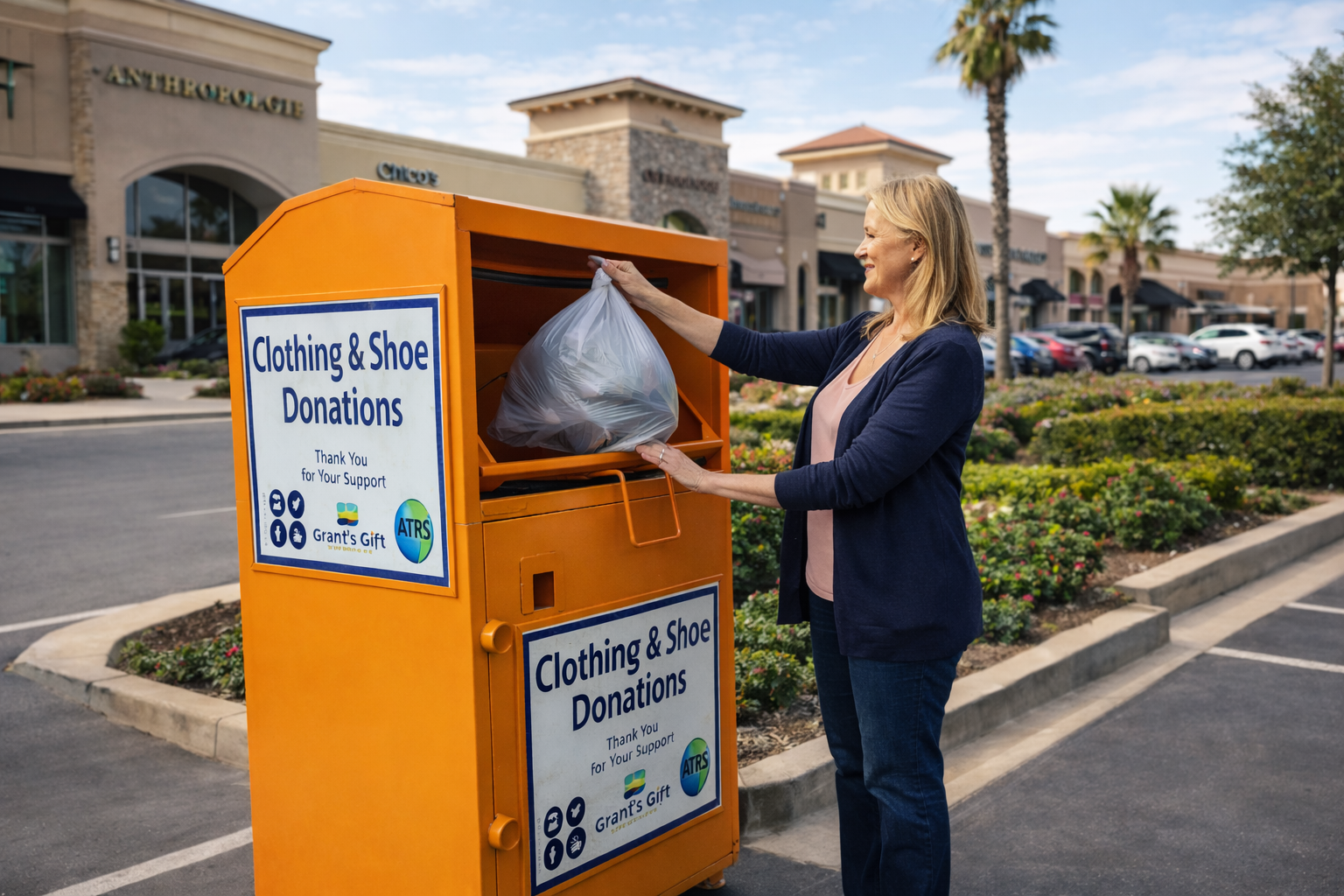
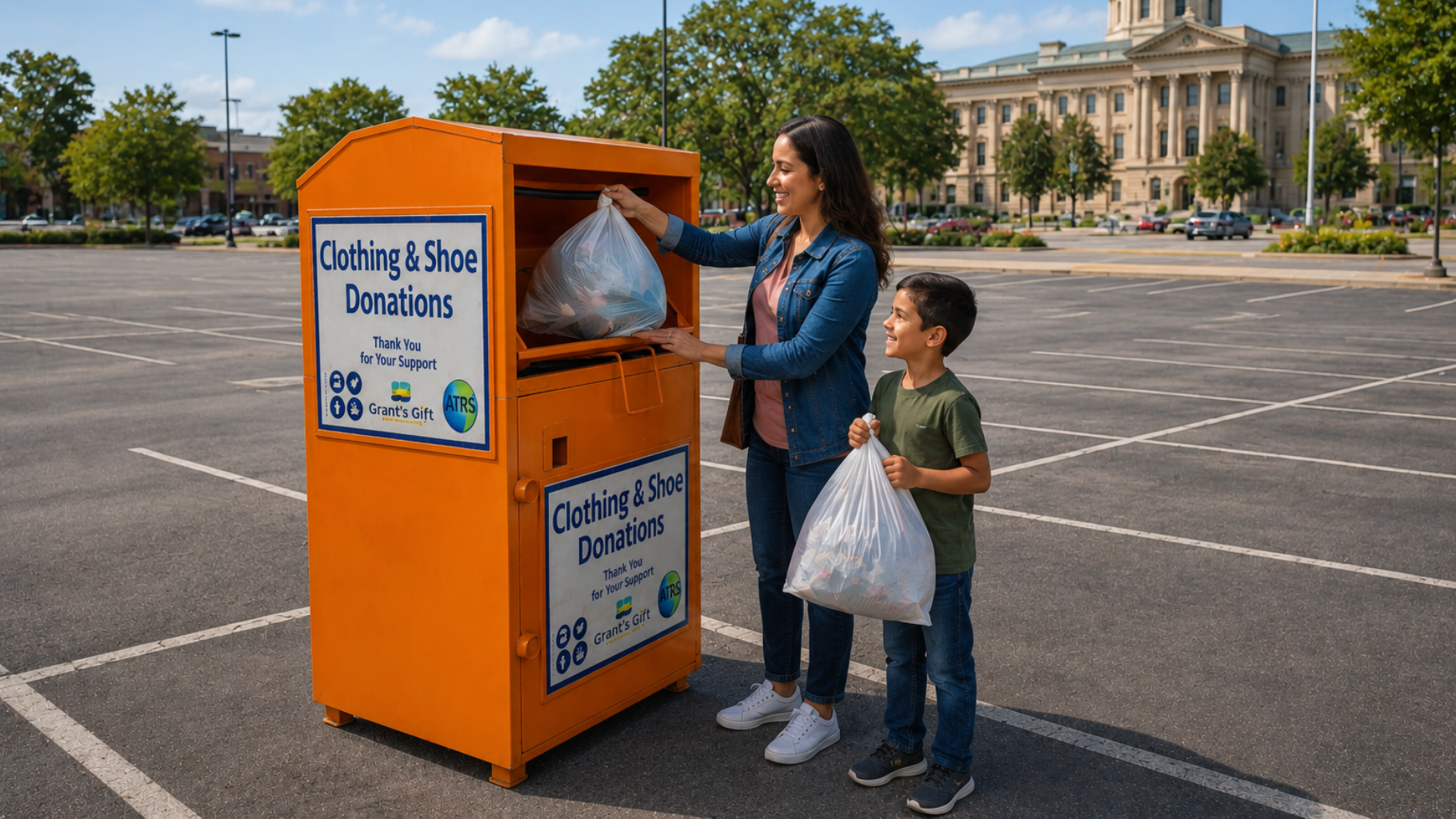
- Place all donations inside standard kitchen-sized garbage bags.
- Tie each bag securely before placing it into the donation container.
- Avoid oversized contractor bags that can jam collection doors or become too heavy for safe handling.
- Never place donations outside a container.
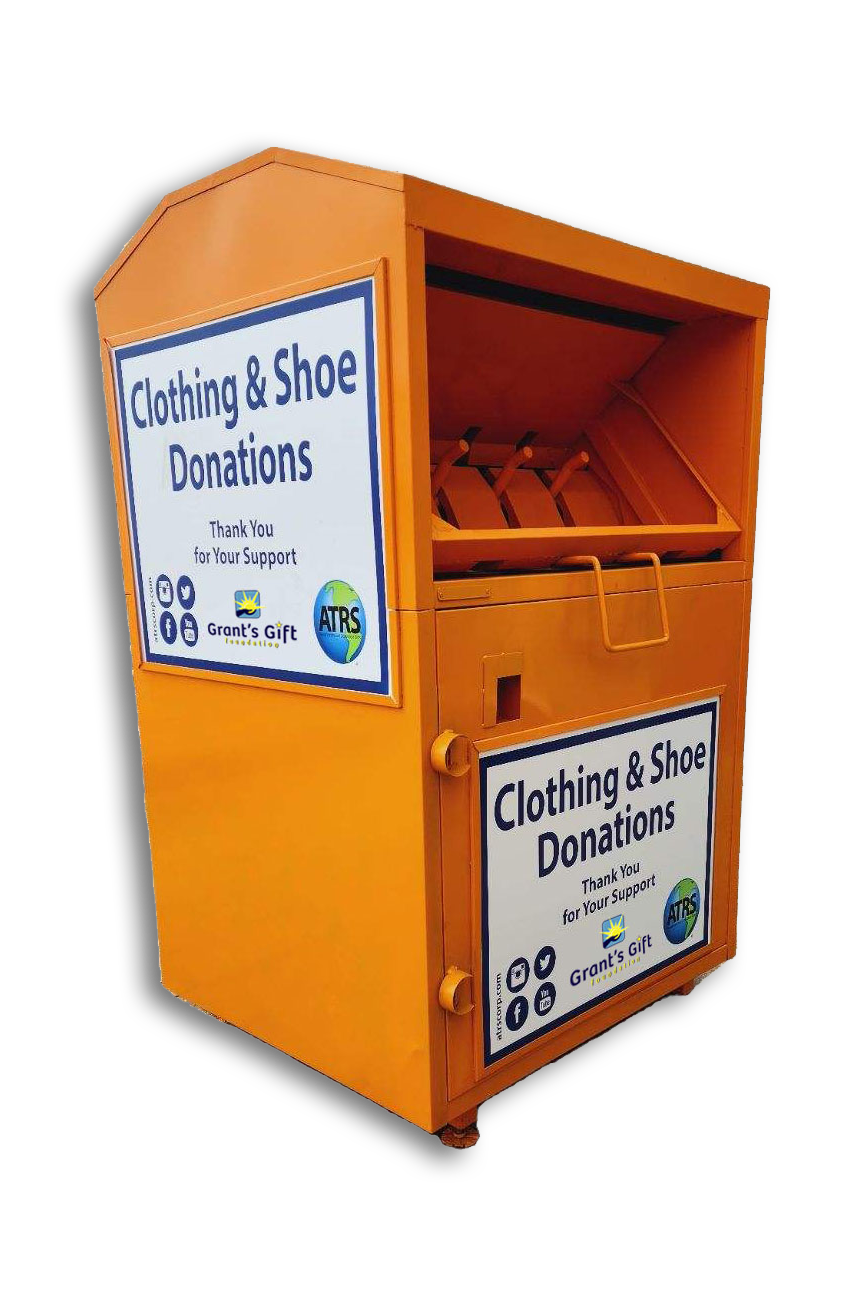
If a donation container is full, residents should call the customer service number displayed on the container to locate the nearest available donation site or report that the container needs servicing.
Leaving bags outside creates litter, exposes donations to weather, and can result in usable items being discarded.
Preventing Illegal Dumping
Unfortunately, donation containers occasionally become targets for illegal dumping.
Furniture, mattresses, televisions, construction debris, household garbage, appliances, and other bulky items create safety hazards, increase cleanup costs, and discourage residents from using the program properly.
Municipalities can help by:
- Educating residents about acceptable donations
- Enforcing ordinances against illegal dumping
- Increasing penalties for repeat offenders
- Encouraging citizens to report dumping activity
- Supporting regular monitoring of donation locations
Strong enforcement protects both public property and community investment while ensuring donation programs remain clean, safe, and inviting.
Building Community Pride Around Donation Sites
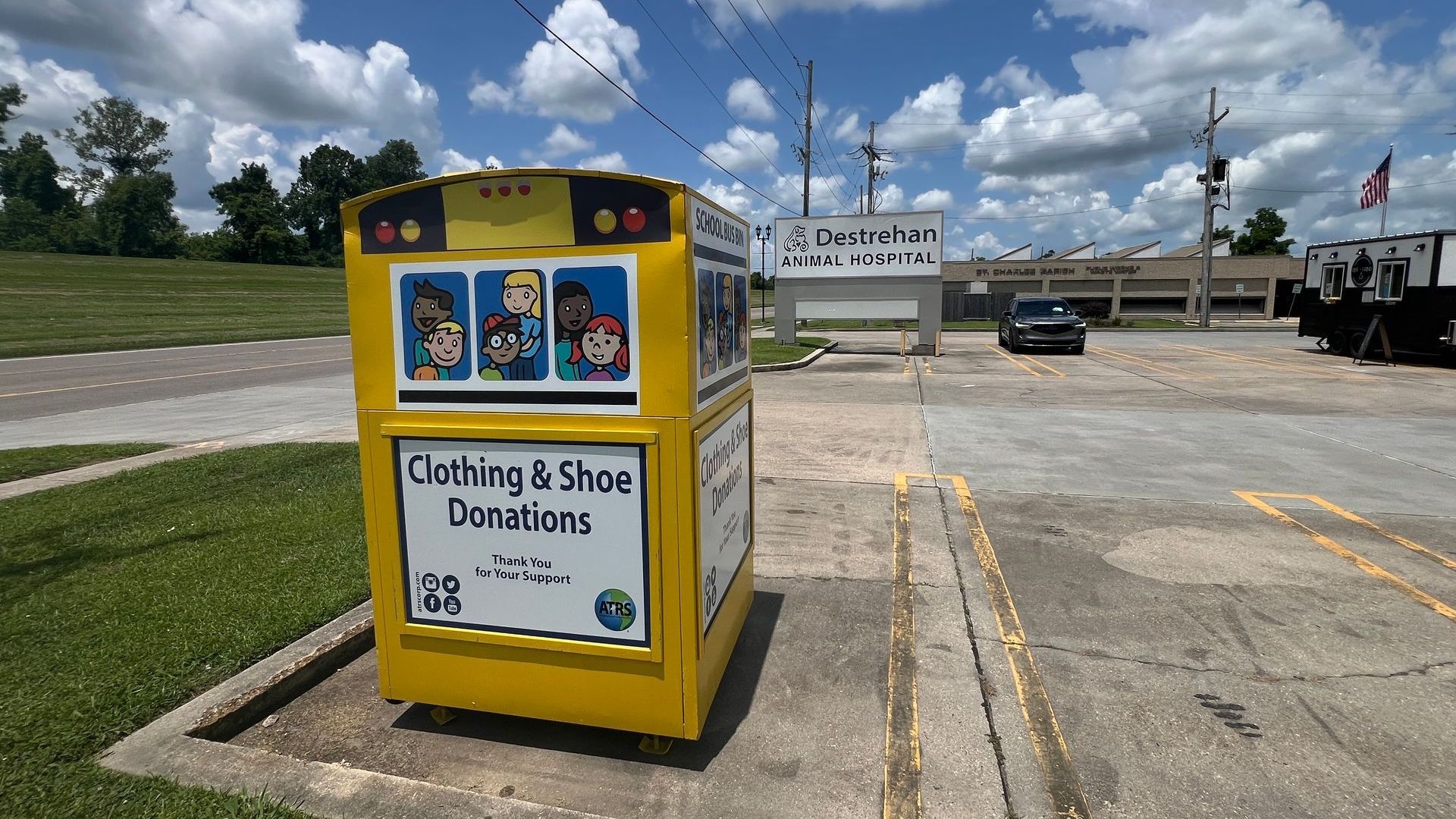
Donation containers should be viewed as community assets—not simply collection bins.
When residents understand the environmental and charitable impact of their donations, they are far more likely to respect the sites and encourage others to do the same.
A clean, well-maintained donation location reflects a community that values sustainability, generosity, and civic responsibility.
With cooperation between municipalities, residents, and organizations like ATRS, these collection sites become visible reminders that small individual actions can create meaningful community-wide results.
A Partnership That Benefits Everyone
Responsible textile recycling is one of the few initiatives that simultaneously benefits the environment, local governments, charitable organizations, businesses, and residents.
By working together, municipalities can:
- Reduce landfill waste
- Lower environmental impact
- Support charitable organizations
- Create local employment opportunities
- Promote sustainable community practices
- Provide residents with a convenient way to give back
The success of these programs depends on education, community engagement, and responsible participation.
Together, we can help ensure that every donation has the greatest possible impact for our communities, our environment, and the generations that follow.