How Property Owners Can Turn Unused Parking Areas into Revenue While Supporting Their Communities
A practical strategy for shopping centers, retail properties, and management companies to maximize asset performance.
Property owners are constantly evaluating how to maximize the value of their real estate assets. Whether managing a shopping center, retail strip, grocery-anchored center, apartment complex, or commercial property portfolio, every square foot of a property should serve a purpose.
While most owners focus on leasing storefronts and attracting tenants, many overlook an opportunity sitting in plain sight: underutilized parking areas.
Across the country, property owners are discovering that clothing and textile recycling programs can transform unused space into a source of recurring revenue while delivering meaningful environmental and community benefits.
The Hidden Potential of Unused Parking Space
Most commercial properties have areas that generate little or no value. These spaces may be located on the edge of a parking lot, in low-traffic corners, or in areas that are rarely utilized by customers.
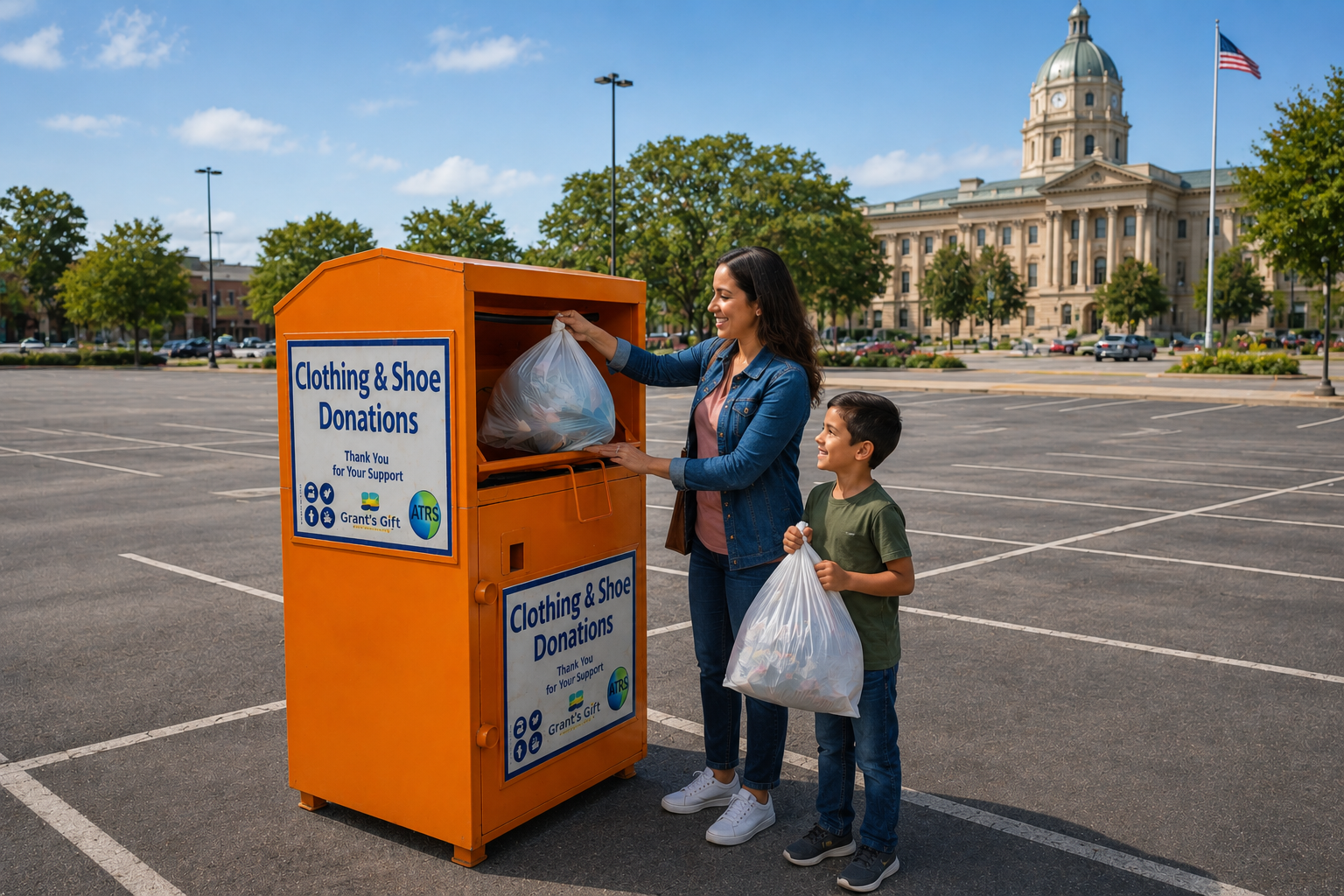
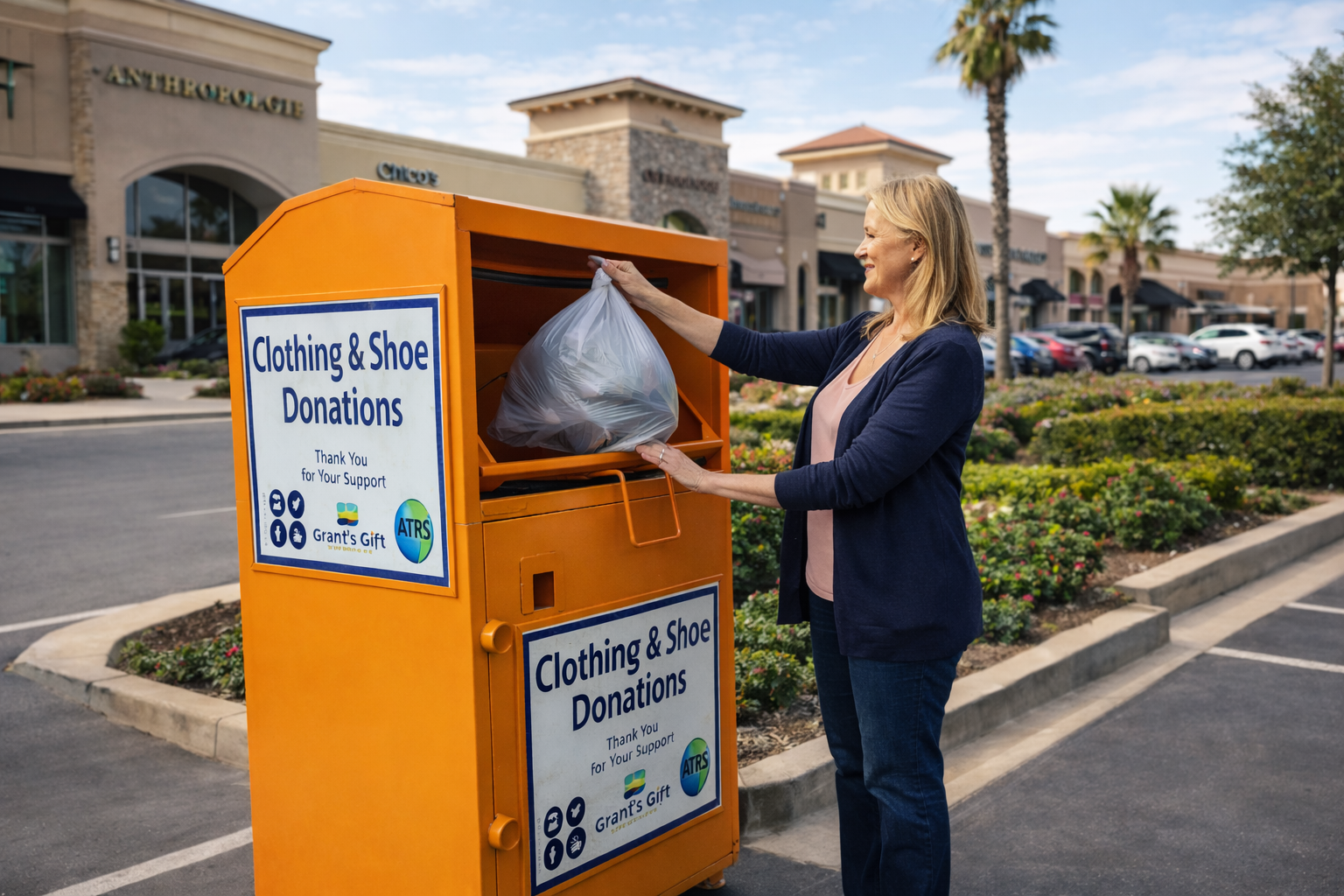
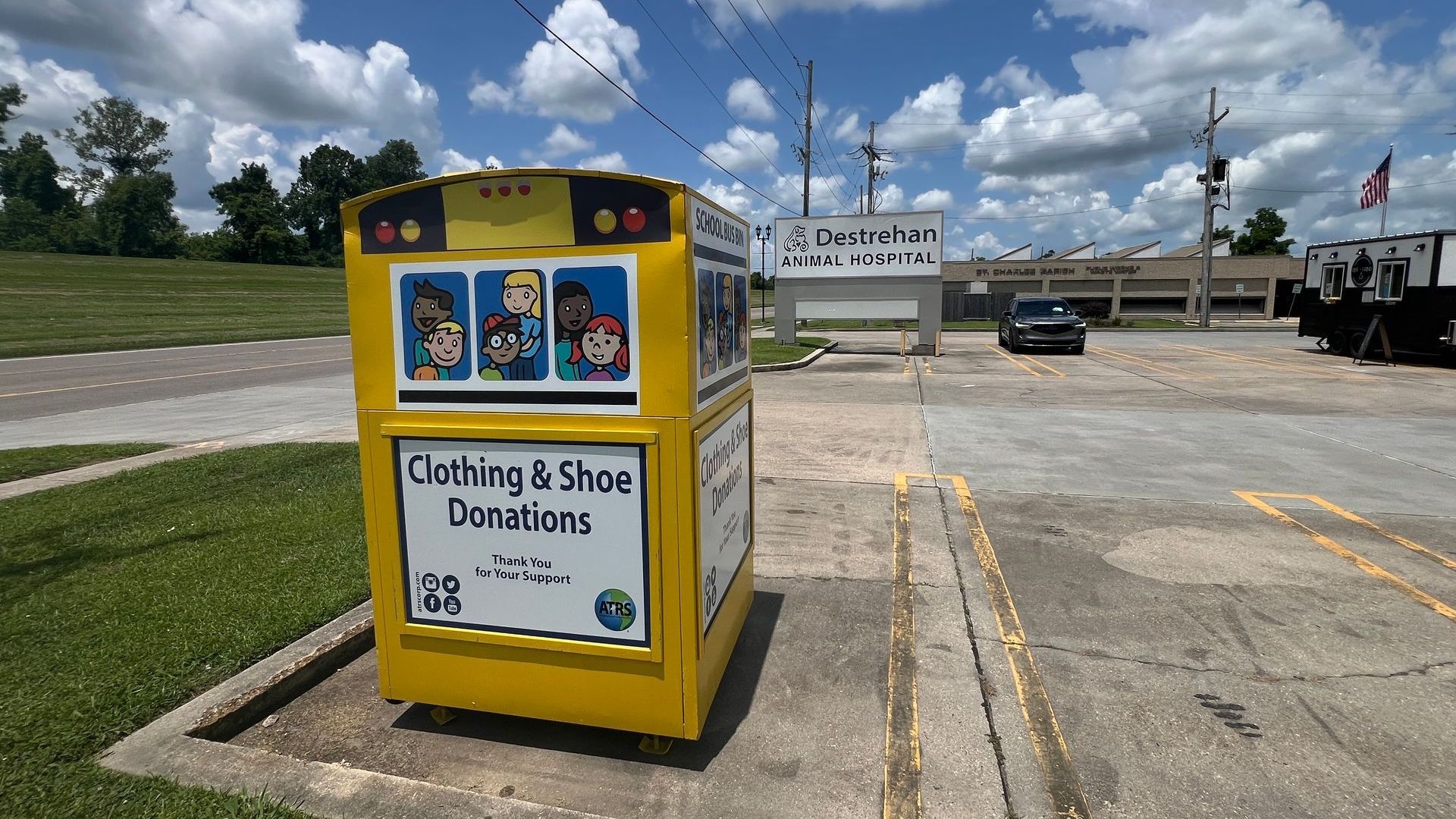
Rather than allowing these areas to sit idle, property owners can repurpose them through professionally managed textile collection programs.
The result is a simple, low-maintenance amenity that serves the surrounding community while creating an additional income stream for the property.
Creating Revenue Without Additional Overhead
One of the primary benefits of a professionally managed donation container program is its simplicity.
Property owners are not required to:
- Invest capital
- Hire staff
- Perform maintenance
- Manage collections
- Handle donated items
Instead, the operator assumes responsibility for servicing and maintaining the collection location while providing agreed-upon compensation to the property owner.
For owners and management companies seeking non-traditional revenue opportunities, this can represent an attractive use of otherwise unproductive space.
Supporting Sustainability Goals
Textile waste is one of the fastest-growing waste streams in the United States.
Millions of pounds of clothing, shoes, household textiles, and other reusable materials end up in landfills each year. By providing convenient textile recycling access, property owners can help divert substantial amounts of material from local waste streams.
For organizations with Environmental, Social, and Governance (ESG) initiatives or sustainability objectives, textile recycling programs offer a visible and measurable way to support those efforts.
In many cases, a single collection site can divert thousands of pounds of reusable textiles annually.
Providing a Valuable Community Service
Today's consumers increasingly appreciate businesses and property owners that demonstrate a commitment to community engagement.
Convenient donation and recycling opportunities allow residents to responsibly dispose of unwanted clothing and household textiles while supporting charitable initiatives and environmental stewardship.
These programs create a positive experience for community members and help strengthen the property's reputation as a responsible and engaged local partner.
The Importance of Professional Management
The success of any donation container program depends on how it is managed.
Property owners should seek partners that provide:
- Regular collection schedules
- Dedicated local market representatives
- Rapid response to service issues
- Routine site inspections
- Clear contact information for public inquiries
- Comprehensive insurance coverage
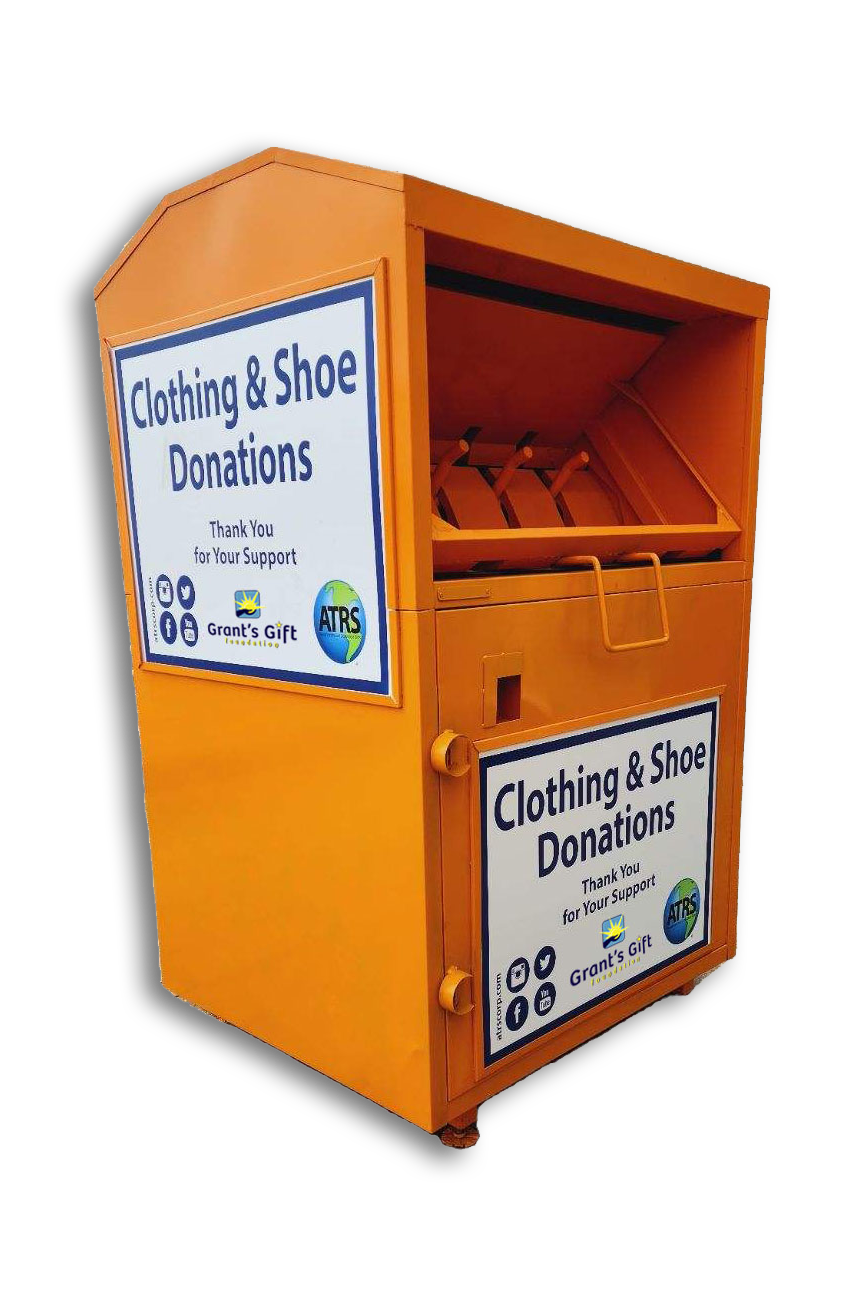
- Clean, professionally maintained containers
A well-managed program should require little to no involvement from property management staff while maintaining a clean and attractive appearance.
What Property Owners Should Look For
Before approving any donation container program, property owners should evaluate:
Operational Support
Does the company have dedicated local personnel responsible for servicing and monitoring locations?
Responsiveness
How quickly are issues addressed if concerns arise?
Insurance Coverage
Does the company maintain adequate liability, vehicle, and workers' compensation insurance?
Community Impact
Can the company demonstrate measurable charitable contributions and environmental benefits?
Flexibility
Can the container be removed if the property's needs change?
These considerations help ensure a successful partnership that benefits both the property owner and the surrounding community.
A Simple Opportunity with Meaningful Benefits
In today's commercial real estate environment, property owners are continually searching for ways to maximize asset performance while enhancing community value.
A professionally managed textile recycling program offers a unique opportunity to generate additional revenue, support sustainability initiatives, provide a valuable community service, and put underutilized space to work.
Sometimes the most valuable opportunities are not found by adding more buildings or tenants—but by making better use of the space already available.